Pond-Edge Plants: A Field Guide for Short Observational Walks
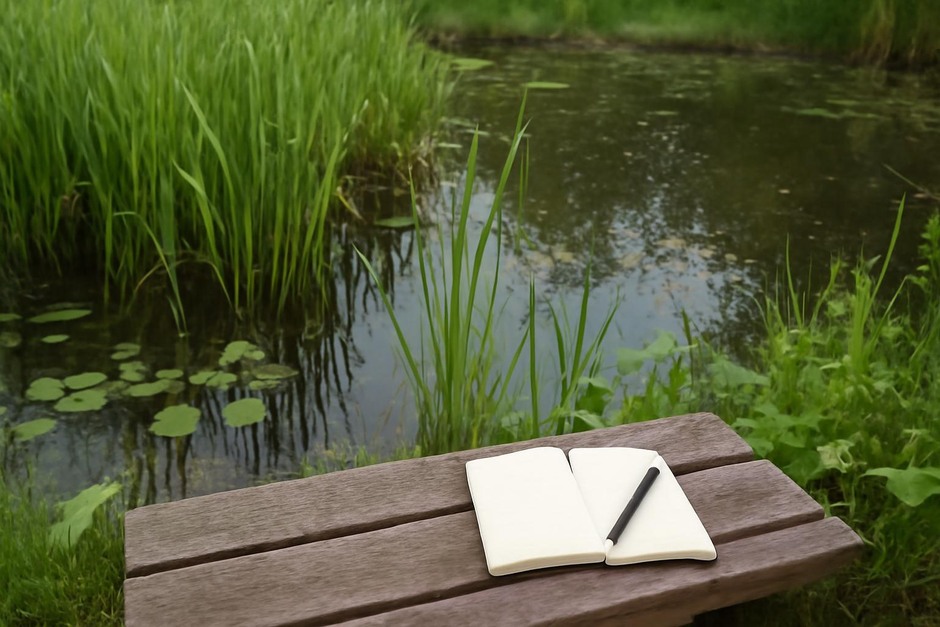
On a cool morning I stood at the lip of a small pond and watched the water draw a slow, changing line along the rim. Within a few meters were distinct belts of green: short mosses clinging to wet stones, a fringe of sedges and rushes poking from the mud, broad floating leaves drifting on the surface. Each belt told a story about moisture, light and time. This short walk lasted ten minutes, but the patterns I noted—bands of growth, the texture of stems, the last petals clinging to seed heads—gave me more to study than many longer hikes.
1. Read the Waterline: Moisture Gradients and Plant Zones
Begin by looking horizontally across the bank. The pond edge is rarely uniform; instead it organizes into zones determined by how often the soil is wet.
- Submerged zone: Plants here are under water at most levels—look for ribbon-like leaves and flattened stems.
- Emergent zone: These species root underwater but bear stems and leaves above the surface; note hollow stems and clasping leaf bases.
- Fringe and wet meadow: Ground that floods occasionally supports sedges, rushes and moisture-loving wildflowers.
- Dry bank: Slightly higher ground hosts grasses, shrubs and tree saplings tolerant of occasional wet feet.
Observe where each species sits relative to the high-water mark. Carrying a small stick to mark the most recent waterline can help you compare visits across seasons.
2. Leaves and Stems: Identification by Texture and Growth Form
Hands-on—but gentle—inspection deepens observation. Without picking or damaging plants, note these tactile clues:
- Leaf texture: Is it thin and flexible, leathery, or hair-covered? Hairy leaves often indicate protection from splash and wind.
- Leaf arrangement: Alternate, opposite or whorled patterns narrow down families.
- Stem cross-section: Many wetland plants have round, triangular or distinctly hollow stems. A triangular stem often signals sedges; hollow, jointed stems suggest rushes or reeds.
- Attachment and sheathing: Look at how leaves clasp or sheath the stem—this is a reliable clue for distinguishing similar species.
Use a soft brush to remove mud and reveal features if allowed, and always return displaced stones and plants to their place.
3. The Flowering Calendar: Seasonal Cues and Pollinators
Flowers and seed heads reveal timing and relationships. Track what blooms when and note the insects visiting them. Over a season, a pattern emerges:
- Spring: Early ephemerals exploit higher light before shrubs leaf out—look for compact flower clusters and fresh green leaves.
- Summer: Tall emergents and broad-leaved floaters dominate, often with conspicuous pollinator activity in mid-day.
- Autumn: Seed heads, spent flower spikes and changing leaf color tell of resource allocation and dispersal strategies.
- Winter: Structural features—stiff stems, persistent seedheads—help you identify plants when leaves are gone.
Note time of day for pollinator visits: some flowers open only in the morning, others attract insects at dusk. Photograph or sketch flowers and visitors from a respectful distance to preserve natural behavior.
4. Simple Tools and Methods for Careful Recording
Turning observation into a usable record need not be complicated. Bring a small kit:
- A pocket notebook and pencil for quick sketches and measurements.
- A camera or phone to capture context—wide shots of the zone plus close-ups of diagnostic details.
- A folding ruler or a marked stick to note plant height and waterline position.
- Colored tags or small stones to mark a location temporarily while you study it, always removing them afterward.
Adopt a consistent note format: date, time, weather, water level estimate, dominant species in each zone, unusual behaviors (e.g., floating mats shifting with wind). Repeat the same route month to month to build a seasonal narrative.
Measured Conclusion
A ten-minute walk at a pond edge can be a concentrated lesson in ecology if approached with attention to small cues. By reading waterlines, feeling stems, noting flowering schedules and keeping simple records, you convert casual strolls into mini field studies. Over time those short visits reveal shifts in the living patterns of a place—subtle arrivals and departures, the timing of blooms, and the resilience shown in seedheads through winter. The practice is quiet, repeatable and richly rewarding: it trains the eye to notice what otherwise slips by and creates a living archive of a changing shoreline.