Two Ways to Walk the Garden: Mindful Meandering vs. Botanical Scavenger Hunt
Studio notes — the question
Can a short stroll through the garden be either a restorative pause or an active learning session? I tested two distinct approaches over several afternoons: a slow, mindful meander and a botanical scavenger hunt. Below are the processes I followed, the observations I made, a comparison of strengths and trade-offs, and a short guide to help you choose which approach suits a given moment.
Approach A: Mindful meandering
Objective
To slow down and notice the garden without an agenda. The goal is attention and calm rather than accomplishment.
Process
- Set a short time window: 10–30 minutes depending on availability.
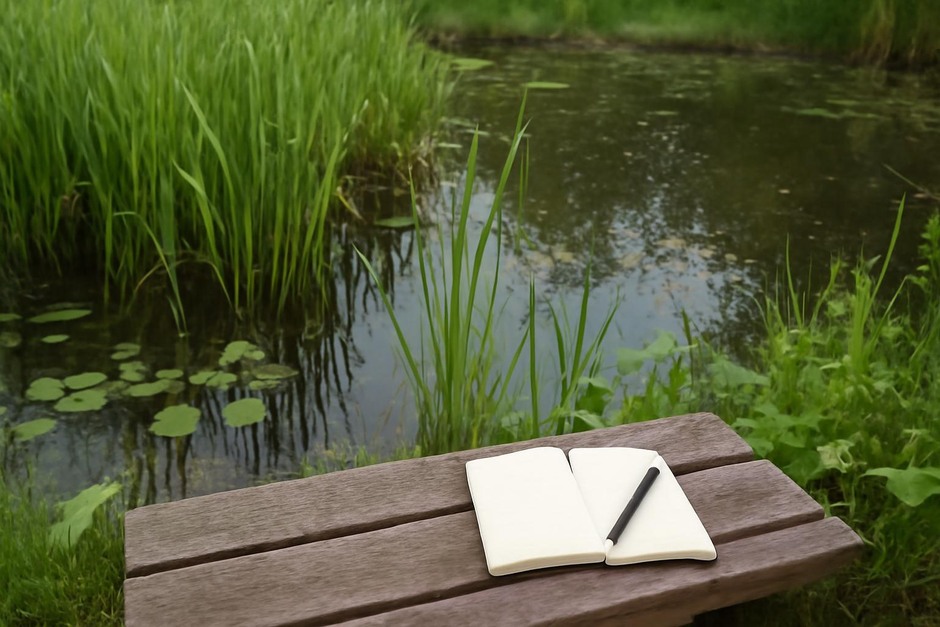
- Leave devices behind or silence notifications; carry only a small notebook or nothing at all.
- Start by standing still for a minute and noticing breath, sounds, and temperature.
- Walk very slowly, aiming to change direction often; pause to examine small details like leaf edges, insect movement, or soil texture.
- Allow the eyes to soften and attend to peripheral details; resist naming or categorizing unless it emerges naturally.
- End with a brief seated moment or a few deep breaths before returning to other tasks.
Observations
- Time seemed to expand: five minutes felt longer, and small features became prominent.
- Stress markers—mental notes about tasks to do—tended to fade during the walk.
- Curiosity emerged spontaneously, often about a single plant or a particular insect.
Approach B: Botanical scavenger hunt
Objective
To engage the garden with a playful, active task that encourages identification and discovery. This is about learning and interaction.
Process
- Prepare a simple list of targets: three to eight items (flower color, a seed head, a particular leaf shape, evidence of pollinators, a native plant, etc.).
- Bring a field guide, magnifying lens, camera, or notebook for recording finds.
- Set a flexible time: 20–45 minutes depending on how many items you aim to find.
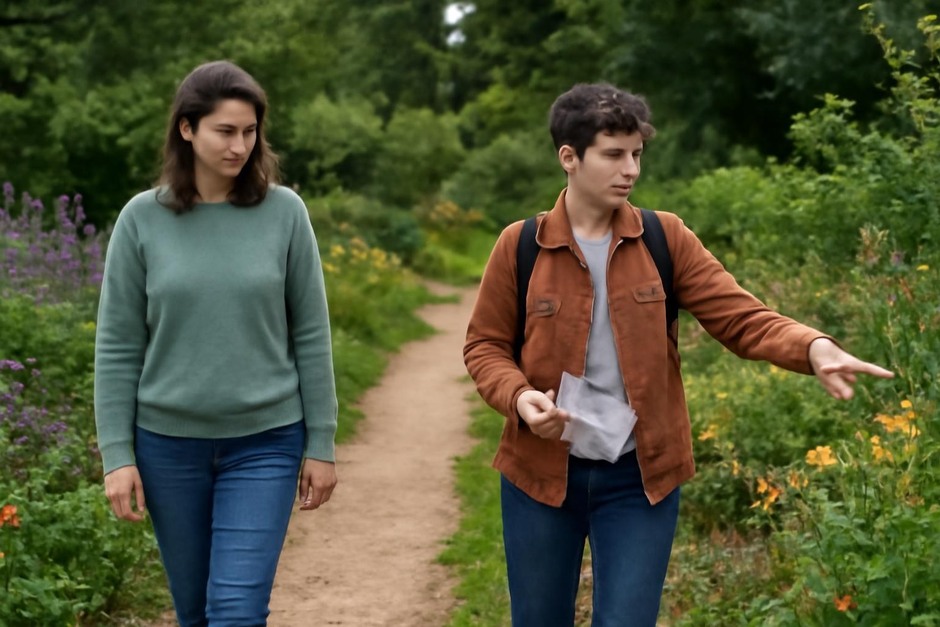
- Walk with intention, scanning for items on the list and marking them off as you go.
- When you find something curious, take a photo or jot a note about its location or characteristics.
- Conclude by reviewing the finds and noting one new thing learned.
Observations
- The hunt focused attention and turned passive viewing into active search.
- Learning spikes: identifying a plant or insect led to a brief investigation and stronger memory.
- The approach created small moments of delight when a target was located, especially in groups or with children.
Comparison: what shifts between the approaches
Below are the practical trade-offs I noticed after repeating each approach several times in the same garden, at different times of day and seasons.
- Pace and mental state — Mindful meandering slows both movement and thought; the scavenger hunt speeds movement and channels thought toward tasks.
- Focus — Meandering broadens attention and invites peripheral noticing; the hunt narrows attention to search targets.
- Learning — The hunt is explicitly educational and better for remembering specific features; meandering encourages incidental learning and a deeper felt appreciation.
- Social dynamics — Meandering suits solitude or quiet conversation; the hunt pairs well with children or curious companions and can be made collaborative.
- Logistics — Meandering requires almost nothing; the hunt benefits from simple tools (list, notebook, camera).
How to choose between them
Ask yourself three quick questions to decide which approach fits the moment.
- How much time do I have? If you have less than 15 minutes, a mindful meander can yield noticeable calm. If you have 20–45 minutes, the scavenger hunt gives more satisfaction and learning.
- What do I want to gain? Choose meandering for restoration and grounding; choose the scavenger hunt for engagement, learning, or shared activity.
- Who am I with? Alone or seeking quiet conversation: lean toward meandering. With children, guests, or a small group: the scavenger hunt encourages interaction and shared discovery.
Other practical notes: combine the two by starting with a short mindful pause and then shifting into a single-goal hunt, or end a scavenger hunt by walking home slowly to let discoveries settle.
Review — quick takeaways
Both approaches make the garden more than a transit route. Mindful meandering is minimal, inward, and calming. The botanical scavenger hunt is playful, outward, and educational. Use the garden as a flexible studio: sometimes for quiet observation, sometimes for curious work. Match the method to your time, mood, and companions, and you’ll find the garden yields different but equally valuable experiences.